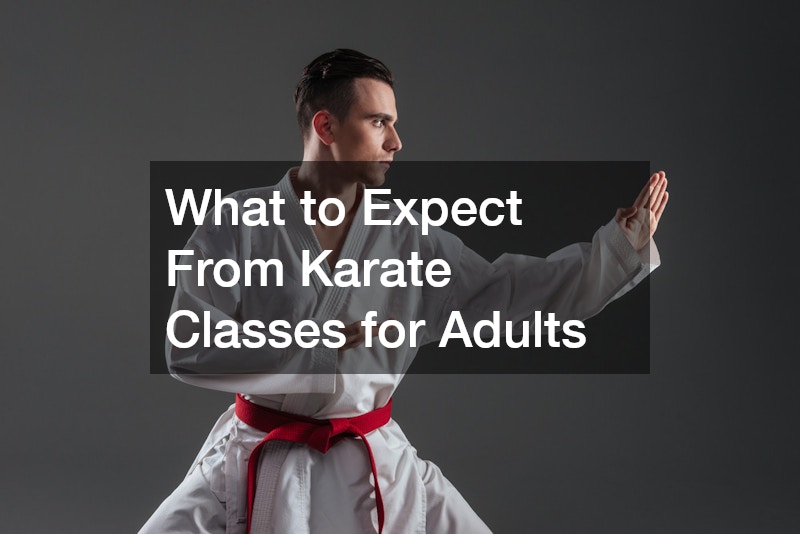

Karate has long been associated with discipline, respect, and physical prowess. It encompasses a variety of techniques that focus on self-defense, improved physical fitness, and mental fortitude. If you’re considering joining karate classes as an adult, it’s important to know what to expect. These classes are not only about learning self-defense techniques, but also about cultivating a sense of personal growth and community. In this article, we will explore various aspects of karate training for adults and what you might gain from the experience.
Physical Fitness and Conditioning
One of the most immediate benefits of joining a karate class is the physical conditioning you will undergo. Karate involves a full-body workout that enhances various physical attributes such as strength, flexibility, speed, and endurance. The training often includes a mixture of aerobic and anaerobic exercises, drills, sparring, and kata (forms). Over time, you can expect to see improvements in muscle tone, cardiovascular health, and overall body coordination.
Learning Self-Defense
A significant portion of karate practice is dedicated to learning effective self-defense techniques. The ability to protect oneself is an empowering skill and karate teaches you how to do this by using your body efficiently. The training focuses on striking, blocking, and evasion techniques that can be applied effectively in real-world situations. By mastering these skills, adults can gain confidence in their ability to respond to threats safely and smartly.
Mental Discipline and Focus
Beyond physical skills, karate is also about mental training. It teaches students about discipline, patience, and focus, both in the dojo (training hall) and in everyday life. The rituals and the structured hierarchy in karate, such as the practice of bowing and earning belts, instill a sense of respect and humility. With time, you will develop mental resilience and the ability to concentrate better, qualities that are valuable in any aspect of life.
Sense of Community
Karate classes often foster a strong sense of community among participants. As an adult, whether you’re a beginner or coming back to training after time away, you’ll find a supportive environment in the dojo. Fellow students and instructors offer encouragement, fostering friendships while working toward common goals. This sense of camaraderie can be motivating and make training more enjoyable.
Stress Relief and Mental Well-being
In today’s fast-paced world, stress relief is more important than ever. Karate provides an excellent outlet for releasing stress and tension. The physical exertion, combined with controlled breathing techniques and meditation practices often included in karate classes, helps to clear the mind and promote relaxation. Engaging in regular karate practice can significantly enhance mental well-being, providing a calm and centered approach to personal challenges.
Setting and Achieving Personal Goals
Karate classes provide a structured environment in which you can set and achieve personal goals. From mastering basic moves to earning higher belts, each achievement marks progress in your karate journey. These structured milestones give a sense of accomplishment and encourage continued improvement. Additionally, setting personal goals outside of physical achievement, such as attending a set number of classes per week or mastering a particular technique, can lead to personal growth and satisfaction.
Myths and Misconceptions
It is important to approach karate classes free from common myths and misconceptions. Some may believe that karate is only about fighting or that it promotes aggressiveness. On the contrary, karate is more about finding balance, control, and understanding the power of using such skills responsibly. It is also a misconception that karate is only for the young; in reality, many people begin their karate journey in adulthood and find immense benefits at any age.