
This article explores the various medical uses for skin adhesives, highlighting their importance in modern medicine. We will address common questions and concerns regarding the application and effectiveness of an adhesive for skin.
1. What is skin adhesive, and how does it work?
1.1 Composition and Types of Skin Adhesives
Medical skin adhesives are primarily composed of cyanoacrylates, which are fast-acting adhesives used in healthcare settings. Other materials include polyurethane and acrylate-based compounds, each offering specific benefits for different medical applications.
The types of skin adhesives vary, with some designed for flexibility and others for high-strength bonding. This versatility allows for tailored applications across a range of medical procedures, ensuring optimal patient outcomes.
Additionally, an adhesive for skin can include additives to enhance the antimicrobial properties, reducing the risk of infection. This is particularly crucial in post-operative care, where maintaining sterility is essential.
1.2 Mechanism of Action
Skin adhesives work by polymerizing upon contact with moisture, creating a strong bond that holds tissues together. This process mimics the natural healing mechanism, allowing for secure closure of wounds without the need for traditional stitches.
The adhesives act as a barrier to external contaminants, promoting an optimal environment for healing. This not only accelerates recovery but also reduces the likelihood of complications associated with open wounds.
The rapid adhesion properties of these adhesives are particularly beneficial in situations requiring quick and reliable wound closure. This makes them an invaluable tool in both emergency care and routine medical procedures.
2. What are the common medical applications of skin adhesives?
2.1 Surgical Uses
In surgical settings, skin adhesives are employed to close incisions, offering a less invasive method than traditional suturing. They provide an efficient means to seal wounds, reducing both operation time and patient discomfort.
The use of skin adhesives in surgery is particularly advantageous in reducing scarring, as they distribute tension evenly across the wound. This results in a more aesthetically pleasing healing process for the patient.
Furthermore, these adhesives can be used in combination with other closure techniques to enhance the overall strength and security of the surgical site. This blended approach maximizes the success of healing.
2.2 Emergency Care
Skin adhesives are vital in emergency care due to their rapid application and effectiveness in managing minor wounds. They provide an immediate solution for closing lacerations, minimizing bleeding, and reducing infection risk.
First responders often rely on skin adhesives to provide quick and reliable closure in trauma cases. This allows for efficient triage and stabilization of patients in critical situations.
The portability and ease of use of skin adhesives make them an essential component in emergency medical kits. Their simplicity ensures that even non-specialists can apply them effectively, expanding their utility across various settings.
3. Are skin adhesives safe for all patients?
3.1 Potential Allergic Reactions
While generally safe, skin adhesives may cause allergic reactions in a small percentage of patients. It is crucial to identify and monitor any signs of adverse reactions, such as redness, itching, or swelling at the application site.
Allergy tests or a thorough patient history can help mitigate these risks, ensuring that skin adhesives are only used on suitable candidates. This preventive measure enhances patient safety and satisfaction.
Healthcare providers must be vigilant and prepared to provide alternative closure methods for patients with known sensitivities. This ensures continuity of care without compromising the patient’s well-being.
3.2 Patient Suitability
Optimal candidates for skin adhesive applications include patients with clean, simple wounds without significant underlying skin conditions. Factors such as age, wound location, and healing tendencies are also considered.
In pediatric and geriatric populations, skin adhesives offer a less traumatic experience compared to sutures. This makes them a preferred choice for wound closure in these sensitive groups.
Conversely, patients with fragile skin or compromised healing capabilities may require a different approach. Individualized care plans ensure that each patient receives the most appropriate treatment method.
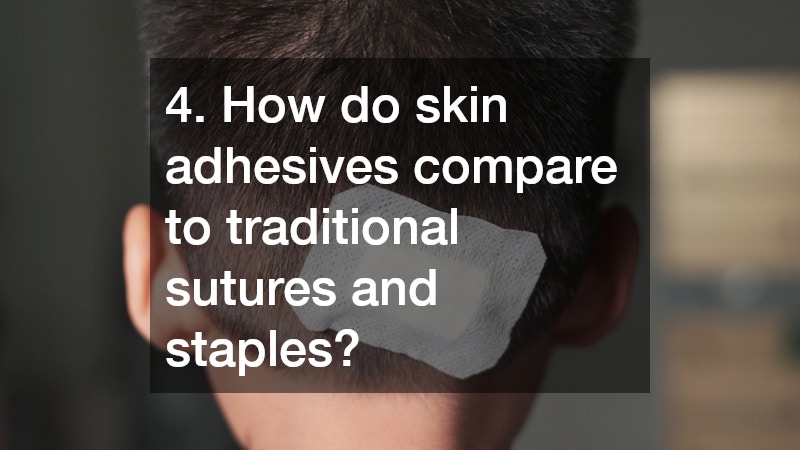
4. How do skin adhesives compare to traditional sutures and staples?
4.1 Advantages over Traditional Methods
Skin adhesives offer numerous advantages over traditional sutures and staples, including reduced scarring and quicker application. Their ability to provide a waterproof seal is particularly beneficial in maintaining wound integrity.
The adhesive for skin nature of these products distributes tensile strength across the wound, improving cosmetic outcomes. This is a significant factor for patients concerned about visible scars.
Moreover, skin adhesives eliminate the need for suture removal, streamlining follow-up care and reducing discomfort for the patient. This contributes to increased patient compliance and satisfaction with the healing process.
4.2 Limitations and Challenges
Despite their benefits, skin adhesives have limitations, such as not being suitable for all wound types. Deep lacerations or areas subject to high tension may require the additional strength of sutures or staples.
In such cases, traditional methods provide the necessary reinforcement to ensure proper wound closure. Knowing when to employ each technique is a critical aspect of effective wound management.
This balance ensures that patient care is both safe and effective, leveraging the strengths of each method to achieve optimal healing. An interdisciplinary approach can enhance the success of wound closure strategies.