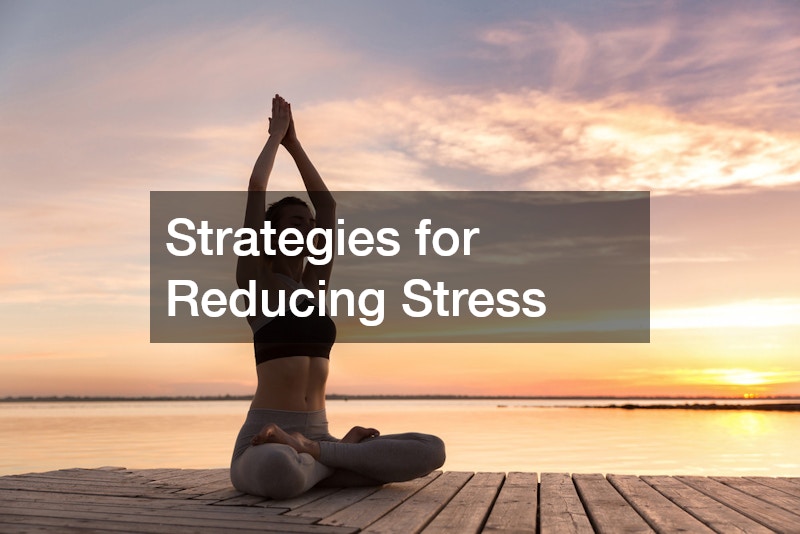
Stress is a common part of modern life, but when it becomes chronic, it can affect both physical health and mental well-being. Managing stress effectively is essential for maintaining balance, improving focus, and supporting long-term health. By understanding the factors that contribute to stress and adopting practical strategies to address them, individuals can create a more stable and resilient lifestyle. Consistent stress management not only improves day-to-day functioning but also enhances overall quality of life.
Best Stress Reduction Techniques
Mindfulness and Meditation
Mindfulness and meditation are widely recognized as effective tools for managing stress. These practices encourage individuals to focus on the present moment, reducing the tendency to dwell on past concerns or future uncertainties.
By developing greater awareness of thoughts and emotions, it becomes easier to respond to stressors in a calm and controlled manner.
Regular meditation can lower cortisol levels and promote a sense of relaxation. Even a few minutes of daily practice can make a noticeable difference. Techniques such as guided breathing, body scans, and visualization exercises are accessible starting points. Some individuals also explore complementary approaches like hypnosis to support deep relaxation and reinforce positive mental patterns, further enhancing stress reduction efforts.
Physical Exercise
Physical activity is one of the most reliable ways to reduce stress. Exercise stimulates the release of endorphins, which are natural mood enhancers that help counteract the effects of stress hormones. Whether it’s a structured workout, a brisk walk, or a recreational activity, movement plays a key role in improving mental clarity and emotional balance.
Consistency is more important than intensity. Engaging in regular physical activity helps regulate sleep, improve energy levels, and provide a healthy outlet for tension. Over time, exercise can become an integral part of a sustainable stress management routine.
Time Management
Poor time management is a significant contributor to stress. When tasks pile up and deadlines feel overwhelming, it can lead to anxiety and decreased productivity. Developing effective time management skills helps create structure and reduces the pressure associated with unfinished responsibilities.
Prioritizing tasks, setting realistic goals, and breaking larger projects into manageable steps are practical strategies. Using tools such as calendars or task management apps can also improve organization. By taking control of your schedule, you can create a more balanced and less stressful daily routine.
How Diet Influences Stress Levels
Healthy Eating Habits
Nutrition plays a direct role in how the body responds to stress. A balanced diet that includes whole foods, lean proteins, healthy fats, and complex carbohydrates supports stable energy levels and brain function. When the body receives proper nutrients, it is better equipped to handle stress.
Skipping meals or relying on processed foods can lead to fluctuations in blood sugar, which may increase irritability and fatigue. Maintaining consistent eating habits and staying hydrated helps support both physical and mental resilience.
The Role of Caffeine
Caffeine is a common part of many daily routines, but excessive consumption can contribute to heightened stress and anxiety. While moderate amounts may improve alertness, too much caffeine can increase heart rate and interfere with sleep, both of which can exacerbate stress.
Being mindful of caffeine intake, especially later in the day, can help maintain a more balanced state. Replacing some caffeinated beverages with herbal teas or water can reduce overstimulation and support better overall well-being.
Supplements and Nutrients
Certain vitamins and minerals are known to support the body’s stress response. Nutrients such as magnesium, vitamin B complex, and omega-3 fatty acids play a role in regulating mood and promoting relaxation. When dietary intake is insufficient, supplements may help fill the gap.
Lifestyle Changes That Help Reduce Stress
Effective Sleep Strategies
Quality sleep is essential for managing stress. Lack of sleep can increase irritability, reduce concentration, and make it more difficult to cope with daily challenges. Establishing a consistent sleep routine is one of the most effective ways to improve overall well-being.
Creating a relaxing bedtime environment, limiting screen time before bed, and maintaining a regular sleep schedule can significantly enhance sleep quality. Prioritizing rest allows the body and mind to recover, making it easier to handle stress during waking hours.
Building Strong Relationships
Social support is a powerful factor in stress management. Strong relationships provide emotional reassurance, practical assistance, and a sense of connection. Sharing experiences with trusted friends or family members can help reduce feelings of isolation and provide new perspectives on challenges.
Investing time in meaningful relationships strengthens emotional resilience. Whether through regular conversations, shared activities, or simply being present for others, these connections play a vital role in maintaining mental health.
Reducing stress requires a comprehensive approach that addresses both physical and mental factors. Techniques such as mindfulness, exercise, and effective time management provide a strong foundation for managing daily pressures. At the same time, proper nutrition, quality sleep, and supportive relationships reinforce long-term resilience. By integrating these strategies into everyday life, individuals can create a more balanced and sustainable approach to stress management, leading to improved health and a greater sense of well-being.