
Understanding the financial aspects of home care can be challenging. This article will guide you through various options and strategies to make home care more affordable for you or your loved ones. We will explore considerations like costs, funding options, and choosing the right services to fit both needs and budgets.
Is Home Care the Right Choice for You?
Assessing Personal Needs
One of the initial steps is to evaluate the specific needs of the individual requiring care. It’s essential to consider medical and daily living requirements to determine whether home care is suitable.
Often, a detailed assessment with a professional can help outline these needs effectively.
Surveys indicate that most individuals prefer aging at home if feasible, making personalized assessment crucial. Identifying the level and type of support needed can prevent over or under-provision of services. This tailored approach ensures the person receives direct and appropriate care, enhancing satisfaction and comfort.
Comparing Home Care vs. Other Options
When choosing the right type of care, it’s vital to weigh home care against alternatives like assisted living facilities. Each option has distinct advantages and potential drawbacks, impacting the decision. Home care typically allows greater independence, which many find appealing.
Assisted living may offer a broader range of amenities, so reviewing what each option includes is critical. Home care may be more suitable for individuals with fewer assistance needs and a desire for a familiar environment. Conversely, those needing constant supervision might benefit from facility-based care.
What Are the Costs Associated with Home Care?
Hourly Rates vs. Flat Rates
Home care typically offers two primary billing models: hourly rates and flat rates. Each has its own set of considerations, impacting total expenses. Hourly rates offer flexibility for short-term or variable needs, while flat rates may be preferred for predictable, ongoing care.
The choice between these options should align with individual financial capabilities and care demands. Some might find hourly billing advantageous when only limited support is required, thus cutting costs. Conversely, flat rates guarantee fixed spending, favorable for long-term, consistent care.
Additional Expenses
Beyond the standard rates, home care may involve additional expenses often overlooked initially. These can range from transportation fees to specialized equipment procurement. A comprehensive understanding of these costs prevents budget shortfalls and ensures sustainable care.
Potential expenses might include medical supplies, dietary needs, or home modifications for accessibility and safety. Identifying these elements early supports better financial planning and the allocation of resources. Considering all facets of home care prevents unexpected costs and enables a stable financial outlook.
How Can You Find Funding for Home Care?
Government Assistance Programs
Government assistance programs provide substantial aid for home care expenses, reducing financial pressure on families. These programs might offer direct financial assistance or subsidies for eligible individuals. Understanding available programs and eligibility criteria is crucial to leveraging this support.
Medicaid often assists eligible low-income individuals by covering various home care services, making it a primary option for many. Each state administers Medicaid differently, thus consulting state-specific resources is vital for accurate information. Other federal programs focused on elderly care might also provide valuable financial support.
Insurance Coverage Options
Insurance plays a significant role in covering home care expenses, easing the out-of-pocket financial burdens. Health insurance policies typically provide limited coverage, making long-term care insurance an attractive option for comprehensive care. Evaluating potential policies early can secure better financial solutions.
What Are Some Cost-Saving Strategies for Home Care?
Negotiating Rates with Providers
Negotiating rates with home care providers can lead to significant cost reductions. Open discussions about financial capabilities might result in discounted rates, especially for extended care contracts. Providers often appreciate transparency and are willing to accommodate flexible pricing arrangements.
Preparation is key for successful negotiation, requiring a deep understanding of the service market and comparative rates. Families should assess market rates to propose reasonable negotiations, ensuring mutual satisfaction. An informed and respectful approach typically yields the best outcomes in rate discussions.
Using Technology for Savings
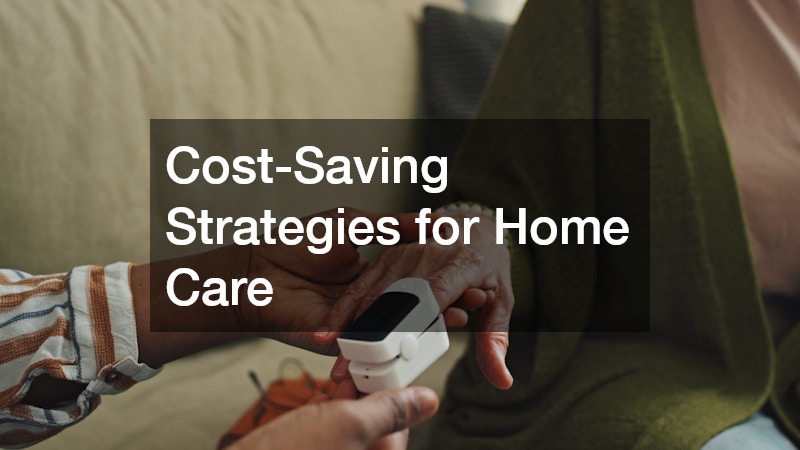
Technology solutions offer innovative ways to reduce home care costs while maintaining quality services. Telehealth consultations can reduce in-person visits, saving travel and time costs associated with medical care. Leveraging technology for medication reminders and health monitoring optimizes daily caregiving tasks efficiently.
How Do You Evaluate Home Care Providers?
Checking Qualifications and Credentials
Verifying a home care provider’s qualifications and credentials is critical to ensure high-quality care. Providers should have appropriate licensing, certifications, and experience relevant to the client’s specific needs. These indicators demonstrate competency and adherence to professional standards.
Families should request to see credentials and verify their validity through respective licensing bodies. A thorough evaluation involves checking for any disciplinary actions or complaints against the provider. Trustworthy providers willingly offer this information, demonstrating transparency and reliability.
Conclusion
With thorough planning, exploring funding options, and implementing strategic approaches, affording home care can become a manageable aspect of providing the best care possible for yourself or your loved ones. It’s essential to take proactive steps, engaging in regular financial reviews to adapt to changing needs. Ultimately, the right mix of services, financial assistance, and personal resources paves the way for effective and sustainable home care solutions.