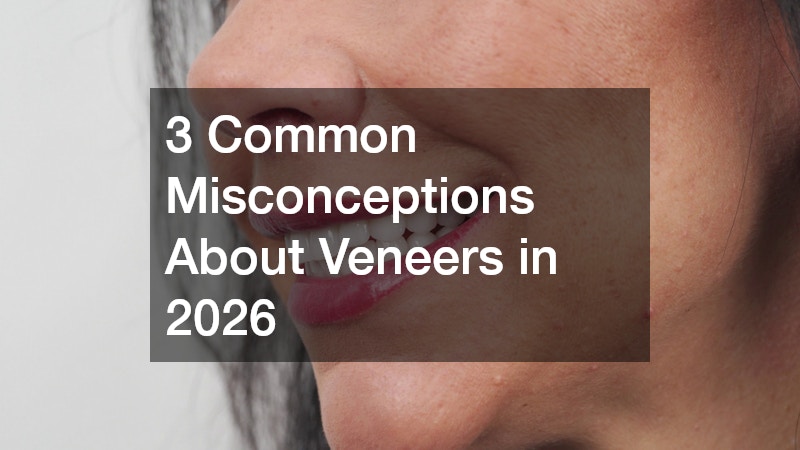
Cosmetic dentistry has evolved rapidly over the past decade, and among its many innovations, dental veneers have become a popular solution for achieving a radiant smile. Despite their growing prevalence, many misconceptions continue to circulate about these treatments. Misinformation can lead to unnecessary fear, hesitation, or unrealistic expectations. Understanding the facts is crucial for anyone considering enhancing their smile with this cosmetic option. In this article, we’ll explore three of the most common misconceptions surrounding veneers and clarify what patients should really know in 2026.
Misconception 1: Veneers Are Only for Cosmetic Purposes
One of the most widespread assumptions about veneers is that they are purely cosmetic. While it’s true that veneers can dramatically improve the appearance of teeth—covering stains, gaps, or uneven surfaces—their benefits extend far beyond aesthetics.
Modern dental materials provide durable protection for weakened teeth, acting as a shield against wear and tear, minor cracks, or erosion caused by acidic foods and drinks. In fact, many patients opt for veneers not only to enhance their smile but also to strengthen teeth that might otherwise require more invasive restorative procedures.
The perception that veneers are superficial overlooks their role in comprehensive dental care. By reinforcing tooth structure, veneers can prevent further deterioration, reducing the likelihood of cavities or fractures. Advances in dental technology in 2026 have made these restorations even more resilient, with materials that closely mimic natural enamel in both appearance and function. This dual purpose of combining cosmetic improvement with protective benefits demonstrates that veneers are not merely a luxury—they are an integral tool for modern dental health.
Misconception 2: Veneers Require Extensive Tooth Removal
Another common concern is that the process of getting veneers is highly invasive, often requiring significant removal of natural tooth structure. This misconception likely stems from older techniques in which substantial enamel reduction was necessary to accommodate bulky materials. Today, advancements in dental technology allow for ultra-thin restorations that require minimal or sometimes no removal of the natural tooth surface.
The conservative approach preserves more of the patient’s original enamel, which not only protects the tooth’s integrity but also maintains its natural strength. Dentists in 2026 employ digital imaging and precision milling to create veneers that fit seamlessly over teeth with minimal preparation. This means patients can enjoy a transformed smile without undergoing aggressive procedures that could compromise dental health.
Furthermore, temporary veneers can be used during the treatment process, allowing patients to preview the results before committing. This reduces the psychological impact and ensures that the outcome aligns with expectations. By understanding that veneers no longer demand invasive modification, patients can make informed decisions free from the fear of excessive dental alteration.
Misconception 3: Veneers Are Fragile and High-Maintenance
Many people still believe that veneers are delicate, prone to chipping, and require extensive maintenance to last. While proper care is always essential for any dental work, modern veneers are made from durable ceramic or composite materials designed to withstand normal biting and chewing forces. Longevity has improved significantly, with many restorations lasting 15 years or more when paired with routine dental care.
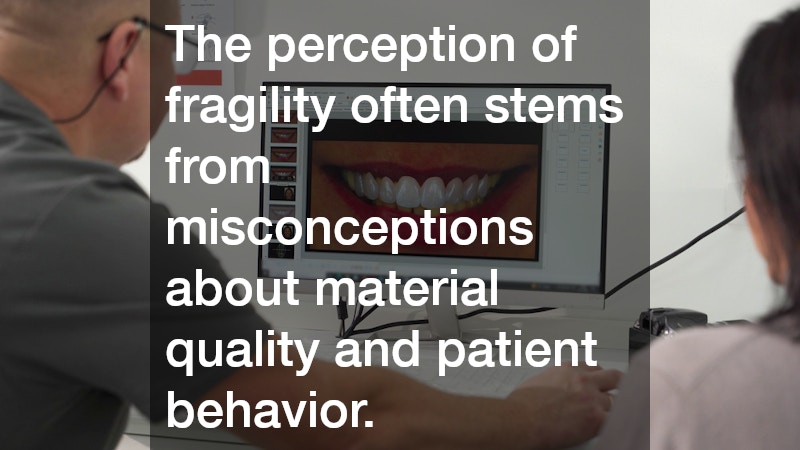
The perception of fragility often stems from misconceptions about material quality and patient behavior. While veneers are strong, they are not indestructible, so habits like biting on hard objects or using teeth as tools should be avoided. Routine dental visits, proper brushing techniques, and avoiding excessive staining agents will help preserve both appearance and function. In comparison to older versions, today’s veneers are highly resistant to discoloration, maintaining a natural, bright appearance over time without demanding complicated upkeep.
By addressing the misconception that veneers are delicate, dental professionals emphasize realistic care expectations. With proper guidance, patients can enjoy the cosmetic and protective benefits of veneers for years, achieving a balance between beauty and durability.
Veneers continue to be a transformative option in cosmetic dentistry, offering both aesthetic appeal and structural protection. Yet, widespread misconceptions about their purpose, the invasiveness of the procedure, and their durability can create hesitation for potential patients. In 2026, technological advancements and improved materials have dispelled many of these myths, allowing veneers to be more accessible, conservative, and long-lasting than ever before. For those considering a smile enhancement, understanding these facts is essential for making informed decisions and achieving results that are both beautiful and practical.